
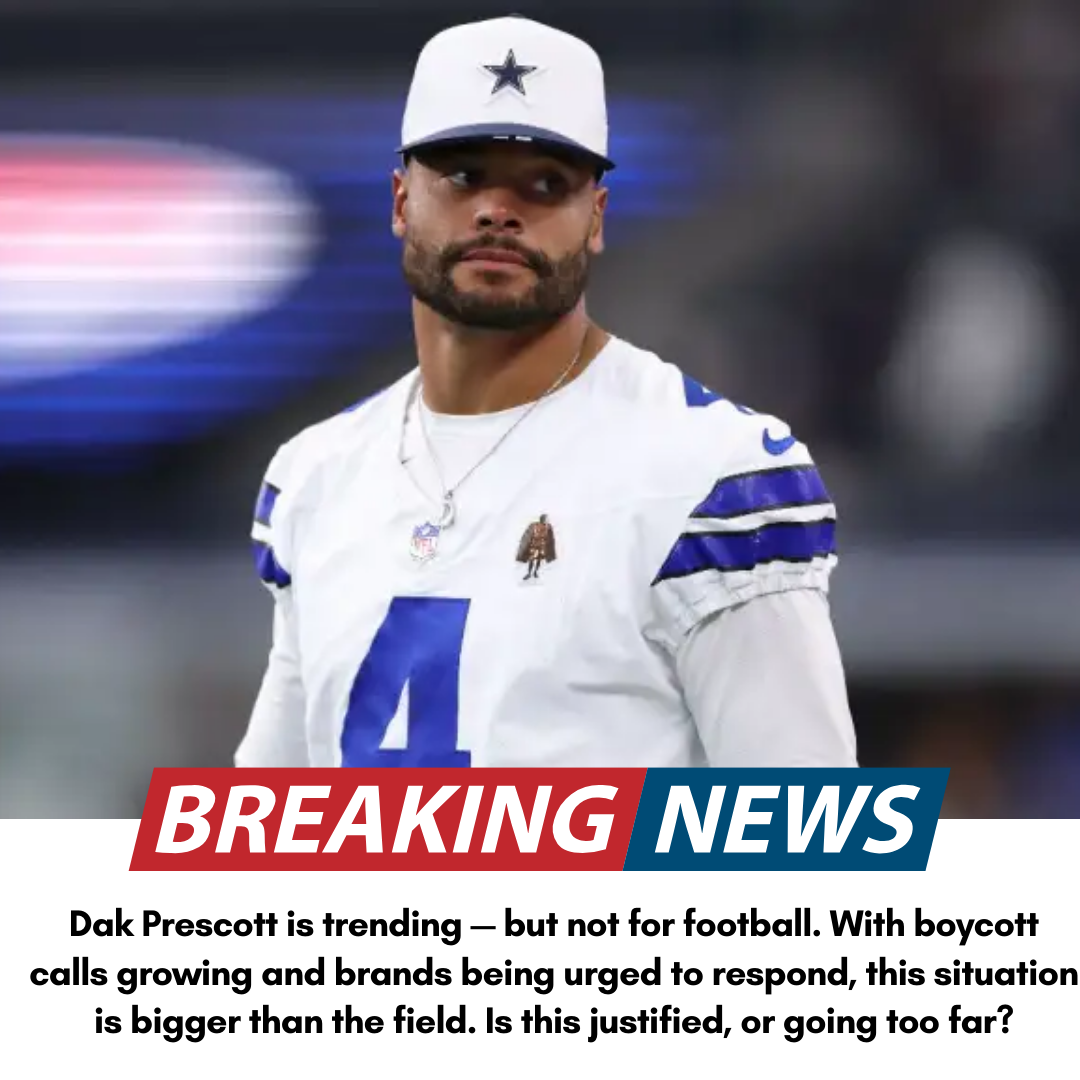
Dak Prescott Controversy Sparks Boycott Debate: What It Means for the Dallas Cowboys and the NFL
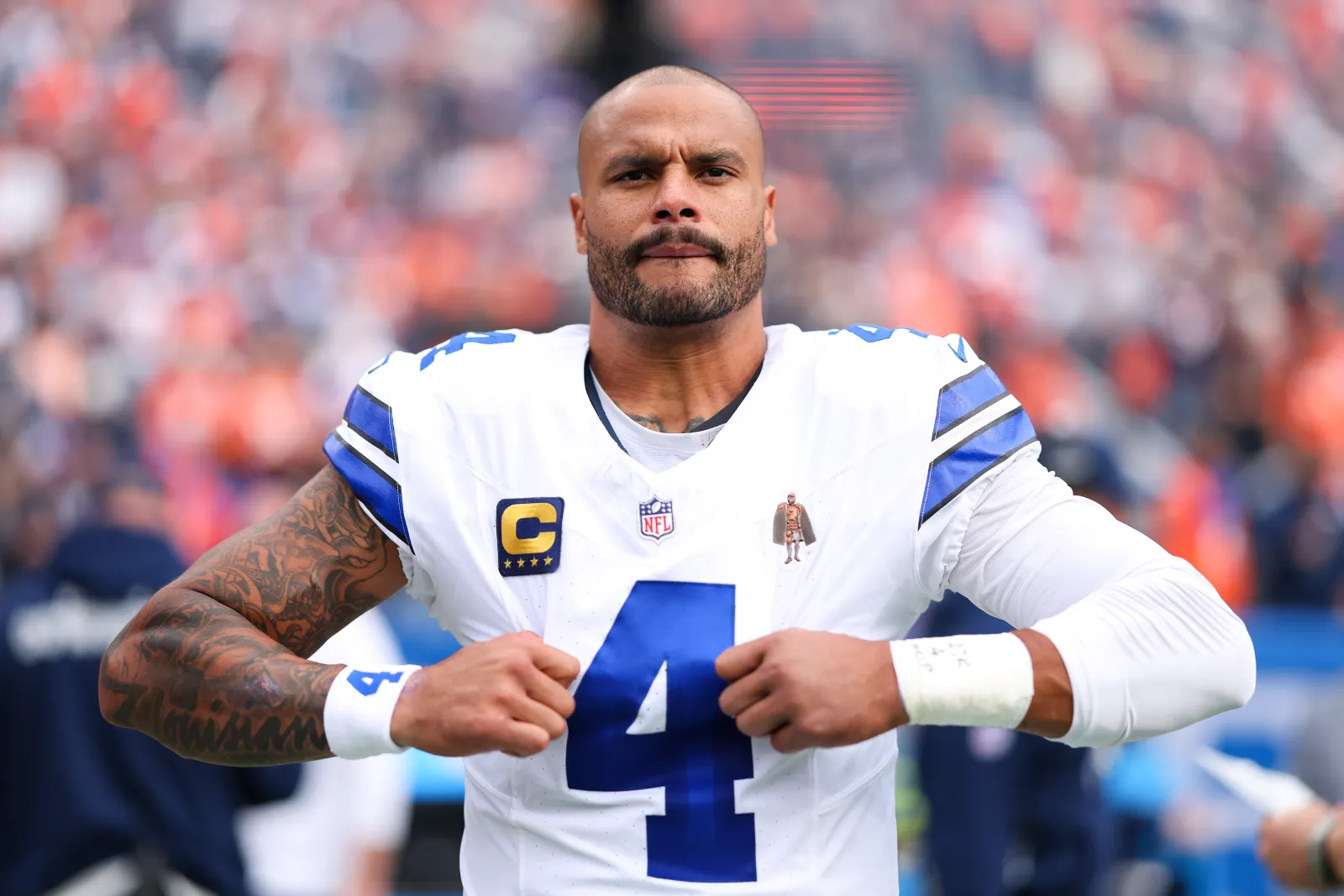
A new controversy is making waves across the sports world, and it centers on Dak Prescott, the franchise quarterback of the Dallas Cowboys. Following reported remarks suggesting that children should not be exposed to cartoons featuring LGBTQ themes, Prescott has found himself at the center of a rapidly growing boycott movement—one that is dividing fans, players, and analysts alike.
What started as a circulating quote quickly escalated into a broader cultural flashpoint, raising questions about free expression, public responsibility, and the evolving role of athletes in society.
A Social Media Firestorm Erupts
The backlash was immediate and intense.
Within hours of the comments gaining traction online, calls for a boycott began trending across multiple social media platforms. Fans expressed frustration and disappointment, with many accusing Prescott of promoting exclusionary views at a time when professional sports—especially the National Football League—have increasingly emphasized diversity and inclusion.
Hashtags tied to the boycott surged, pushing the conversation far beyond sports circles and into mainstream media. For a player like Prescott—widely respected for his leadership both on and off the field—the scale and speed of the reaction have been particularly notable.
A Deeply Polarizing Moment
At the core of the controversy lies a broader societal debate that extends well beyond football.
Supporters of Prescott argue that he is entitled to his personal opinions, especially on topics related to parenting and children's media. From this perspective, the backlash reflects how quickly public figures can face criticism for expressing views that diverge from prevailing narratives.
Critics, however, see the situation differently.
They argue that Prescott's platform as one of the most visible quarterbacks in the NFL amplifies the impact of his words. For them, the issue is not just about personal opinion—it's about influence. As a role model to millions, including younger fans, what he says can shape perceptions around identity, inclusion, and acceptance.
This divide has turned the situation into more than just a sports controversy—it has become a cultural conversation.
Dallas Cowboys Caught in a Difficult Position
The Dallas Cowboys now find themselves navigating a delicate situation.
As one of the most high-profile franchises in global sports, the Cowboys are no strangers to media attention. However, this situation presents a unique challenge: balancing support for their star quarterback while managing public relations in an increasingly sensitive social climate.
So far, the organization has not released a detailed public statement, opting instead to monitor the situation as it develops. Behind the scenes, however, discussions are likely ongoing about how to respond in a way that aligns with both team values and public expectations.
Mixed Reactions Across the NFL

Around the National Football League, reactions have been varied.
Some players have subtly supported Prescott's right to free expression, emphasizing that athletes should be allowed to voice personal beliefs. Others have highlighted the importance of inclusivity within the league, reinforcing ongoing efforts to promote diversity.
The NFL itself has spent years building initiatives centered on representation and equality. Situations like this test how those values are perceived and applied in real time.
While the league has not issued a direct statement regarding Prescott's reported remarks, it is undoubtedly monitoring the situation closely.
Potential Impact on Sponsorships and Brand Value
In today's sports landscape, public image is closely tied to financial opportunity.
Dak Prescott is not just a quarterback—he is one of the most marketable athletes in the league, with numerous endorsement deals and brand partnerships. Controversies of this nature can place those relationships under scrutiny, especially when public sentiment becomes polarized.
Brands are increasingly responsive to social issues, and even the perception of controversy can influence decision-making. Whether the boycott movement leads to tangible financial consequences remains uncertain, but the potential risk is significant.
A Divided Fanbase
Perhaps the most revealing aspect of this situation is the reaction from fans.
For some, Prescott's reported comments cross a line, prompting disappointment and calls for accountability. For others, the backlash feels disproportionate, reflecting the speed at which online discourse can escalate.
This divide mirrors broader societal tensions, where conversations around culture, identity, and freedom of expression often lead to sharply opposing viewpoints.
The result is a fragmented fanbase—one that highlights how sports are increasingly intertwined with larger cultural discussions.
What Happens Next?

The key question now is how Dak Prescott will respond.
He has several possible paths forward:
-
Clarifying or contextualizing his remarks
-
Issuing a public apology
-
Standing by his original position
-
Choosing to remain silent and let the situation settle
Each option carries its own implications for his public image, career, and relationships within the league.
Historically, athletes facing similar controversies have taken different approaches—some opting for reconciliation, others relying on time to shift the narrative.
For Prescott, the decision could have lasting effects.
Bigger Than Football
This situation underscores a growing reality in modern sports: athletes are no longer just competitors—they are influential public figures operating within a complex cultural landscape.
Every statement, interview, or opinion can resonate far beyond the field, shaping conversations that extend into society at large.
As this story continues to unfold, one thing is clear:
This is no longer just about Dak Prescott or the Dallas Cowboys.
It's about the intersection of sports, culture, and public opinion—and the evolving expectations placed on athletes in today's world.
Conclusion
The controversy surrounding Dak Prescott highlights the challenges that come with visibility and influence in the modern era of sports. As debates around inclusion, free expression, and responsibility continue, moments like this will likely become more common.
For the Dallas Cowboys, the focus remains on navigating the situation carefully. For Prescott, the coming days may define not just how he is viewed as a player—but how he is remembered as a public figure.
And for fans, it serves as a reminder:
In today's world, sports are about more than just the game.